


FVO has been helping people since 1889
A lot has changed since FVO was founded over 135 years ago. But our mission remains just as important today: helping people who need financial support.
It all began in 1889
In the late 19th century, many people wanted to help those facing financial difficulties. But their efforts were poorly coordinated. Public poor relief services, foundations and private individuals all worked separately.
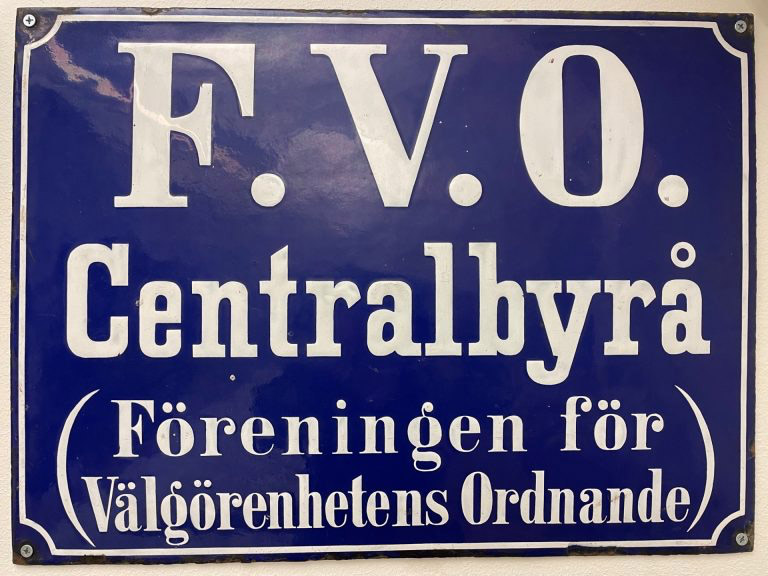
Agda Montelius was one of the people who wanted to change this. In 1889, she helped found Föreningen för Välgörenhetens Ordnande (the Association for the Organisation of Charity). The idea was to bring these efforts together and make it easier for people to find out what financial support was available.
The association opened a central office in Stockholm to provide advice and information. It also coordinated public poor relief with support from foundations and private charities. In this way, FVO became part of the social welfare system that was beginning to develop in Sweden.
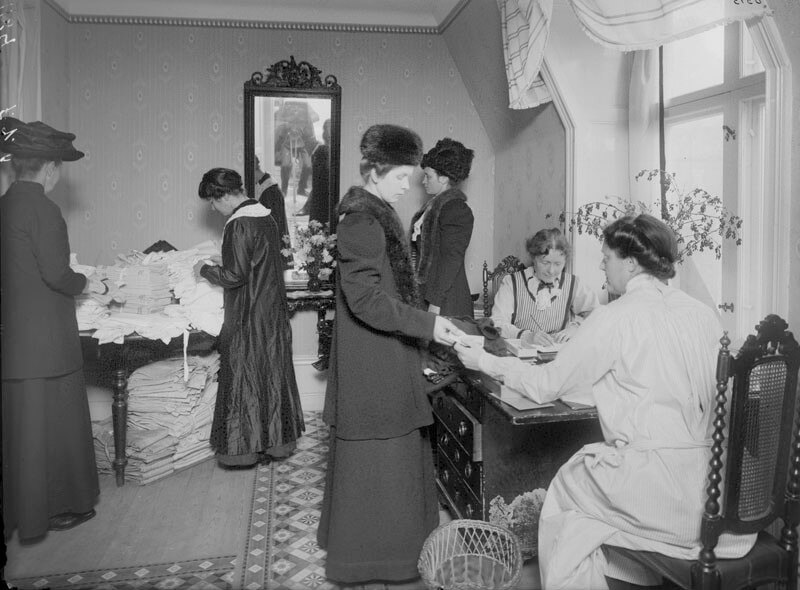
FVO's office at Nybrogatan 41, photographed between 1903 and 1910. Photo: Stockholm City Museum, photographer unknown.
Helping people help themselves
From the very beginning, helping people help themselves was an important principle for FVO. Support was aimed at people facing temporary financial difficulties who, with some help, could get back on their feet and support themselves again.
Providing basic, long-term support was the responsibility of public services. This division of responsibility remains today: FVO’s financial support complements the help available from public services.
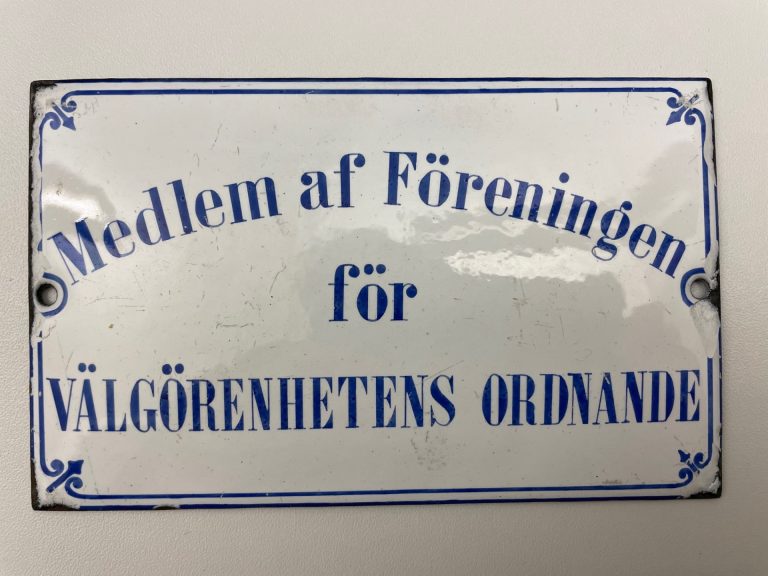
The association’s original aim from 1889
"Regardless of religious or political differences, to promote organised cooperation in Stockholm between private individuals engaged in charitable work, charitable foundations and associations, and public poor relief services."
The association grows and changes its name
The association grew throughout the 20th century, and donations and money left in wills gave it increasing opportunities to help people financially. Even today, FVO is funded mainly through donations and the income they generate.
The name Föreningen för Välgörenhetens Ordnande remained in use for almost a hundred years. In 1981, the association changed its name to Föreningen FVO.
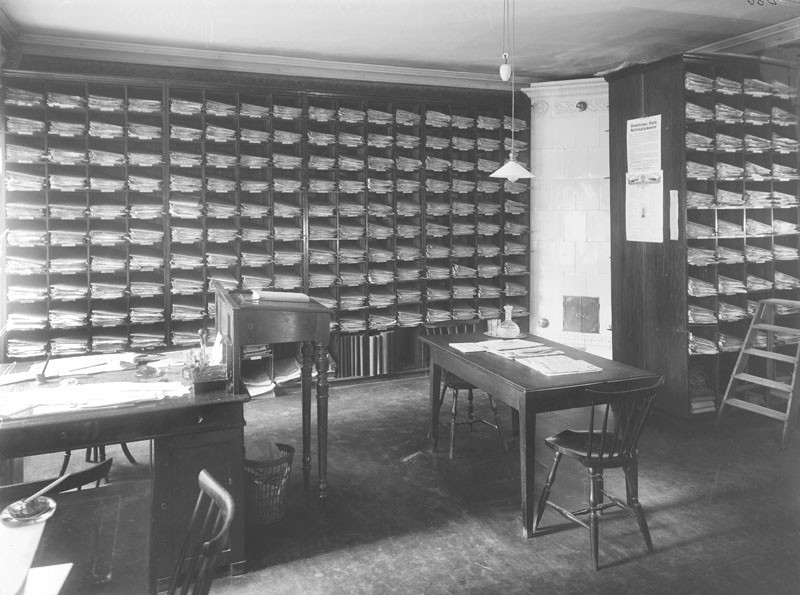
FVO's office at Nybrogatan 41, photographed between 1903 and 1910. Photo: Stockholm City Museum, photographer unknown.
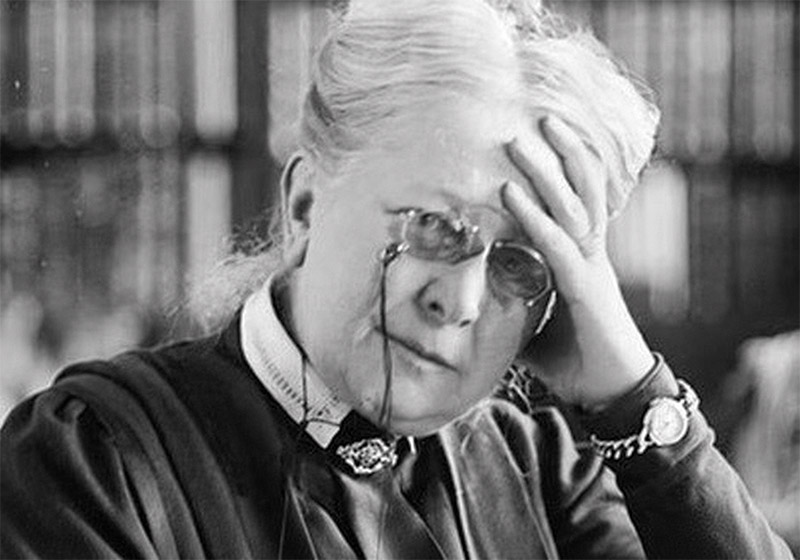
Agda Montelius
Agda Montelius – a pioneer in social work
Agda Montelius (1850–1920) was one of the founders of Föreningen för Välgörenhetens Ordnande. She was actively involved in both social work and the women’s rights movement and also played an important role in the Fredrika Bremer Association.
Several of her ideas remain part of FVO’s work today. One was that the organisation should be run professionally, with paid staff. The principle of helping people help themselves has also been part of FVO since the beginning.
Read more about Agda Montelius:
Swedish Women’s Biographical Dictionary · Swedish National Archives
Agda Montelius
From an advertisement for FVO in the early 1900s:
"F.V.O. aims to promote organised cooperation in Stockholm between all those who care about people in need, and to discourage begging. Through its central office, the association provides its members with information and advice on matters concerning poverty and poor relief, and helps arrange financial support for those in need."
From poor relief to today’s welfare system
Swedish society changed dramatically during the 20th century. Social insurance, pensions, child benefits and other forms of public support were gradually introduced and expanded, giving people financial security that did not exist when FVO was founded.
FVO’s role changed alongside society. Today, the state and local municipalities are responsible for providing basic financial security, while FVO can offer temporary financial support and guidance to people who need additional help.
The principle established back in 1889 therefore remains the same: FVO’s support complements the help provided by public services.
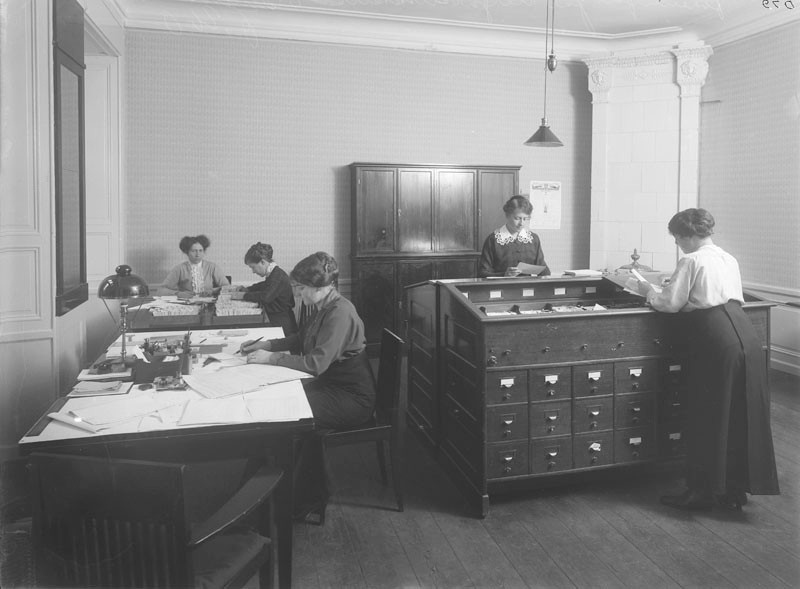
FVO's office at Nybrogatan 41, photographed between 1903 and 1910. Photo: Stockholm City Museum, photographer unknown.
Our important work continues
ociety will continue to change, just as it has since 1889. FVO’s role remains the same: to help people who need financial support and complement the help available from public services.
As long as there are people who need extra support, FVO will continue to help.
Main image: Photo by Kasper Salin